ERP for Retail: Choose and Implement the Right System for Your Business
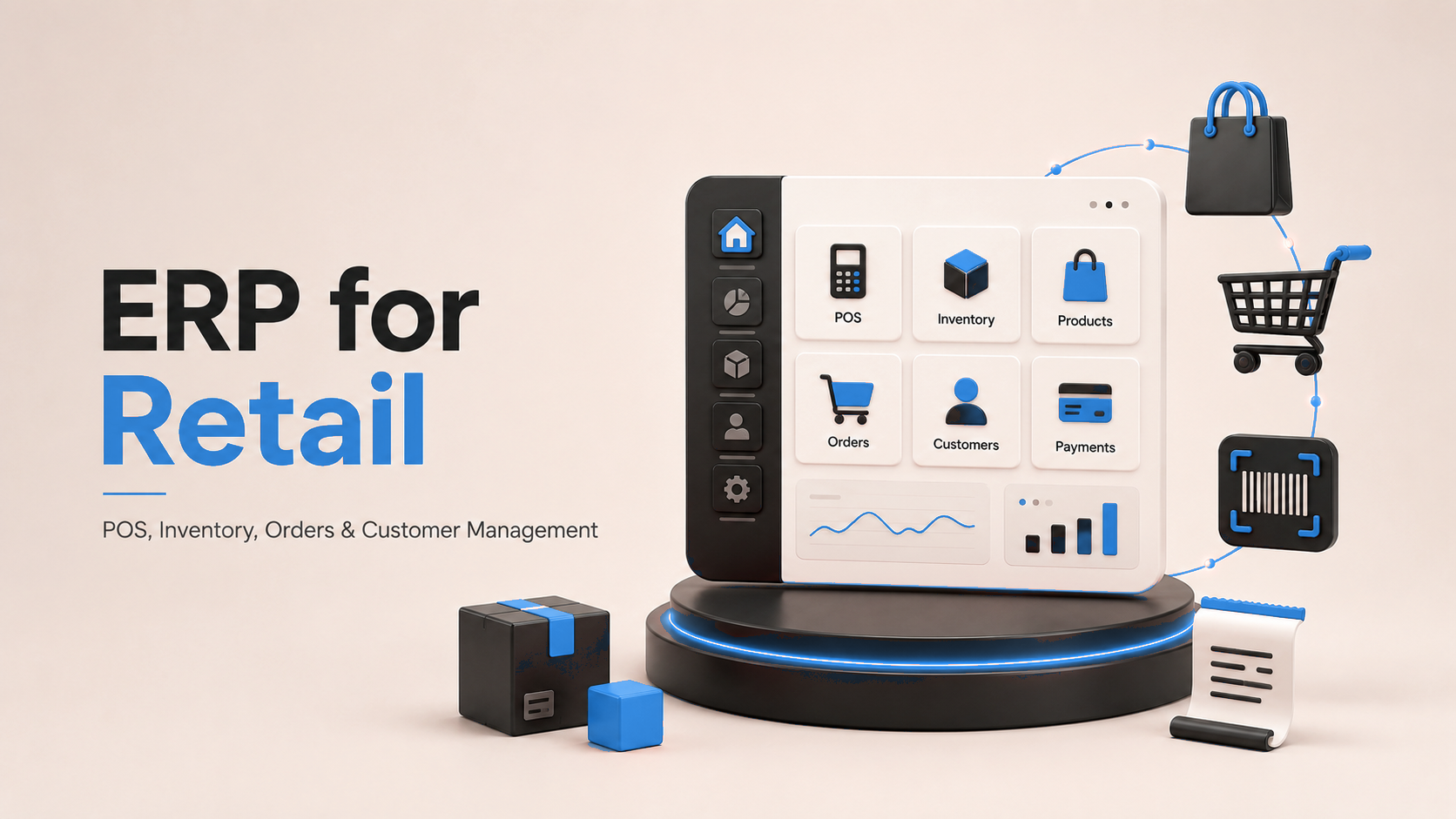
Retail ERP connects POS, inventory, purchasing, accounting, and online channels so stores and e-commerce stop running on disconnected stock and sales data.

Retail ERP connects POS, inventory, purchasing, accounting, and online channels so stores and e-commerce stop running on disconnected stock and sales data.

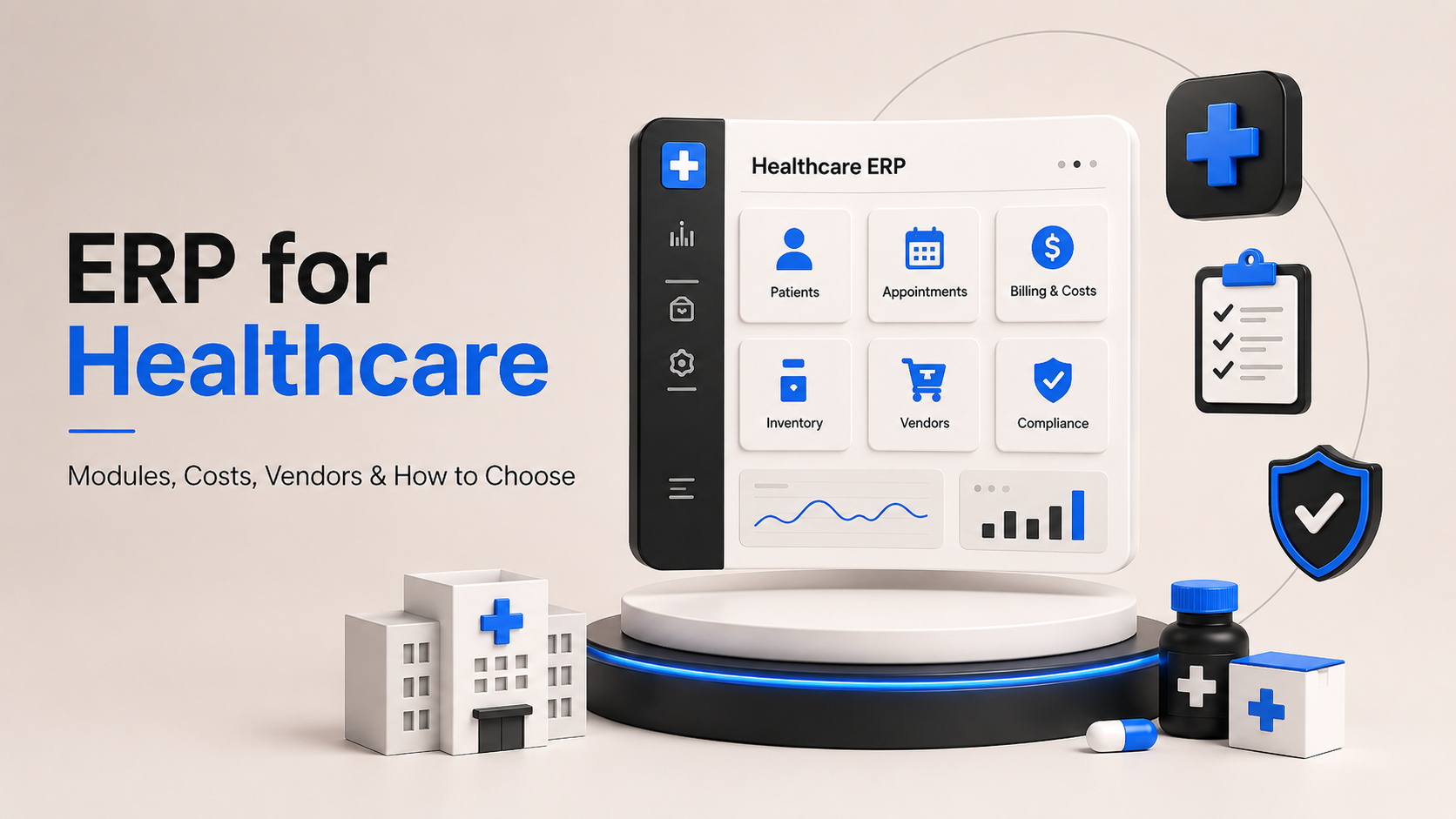
Healthcare ERP connects finance, supply chain, inventory, and workforce behind patient care and is not the same as an EHR. Here's how to choose modules, vendors, and budget.

Manufacturing ERP only works when BOMs, MRP, shop-floor execution, inventory, and costing stay on one workflow not in disconnected spreadsheets.

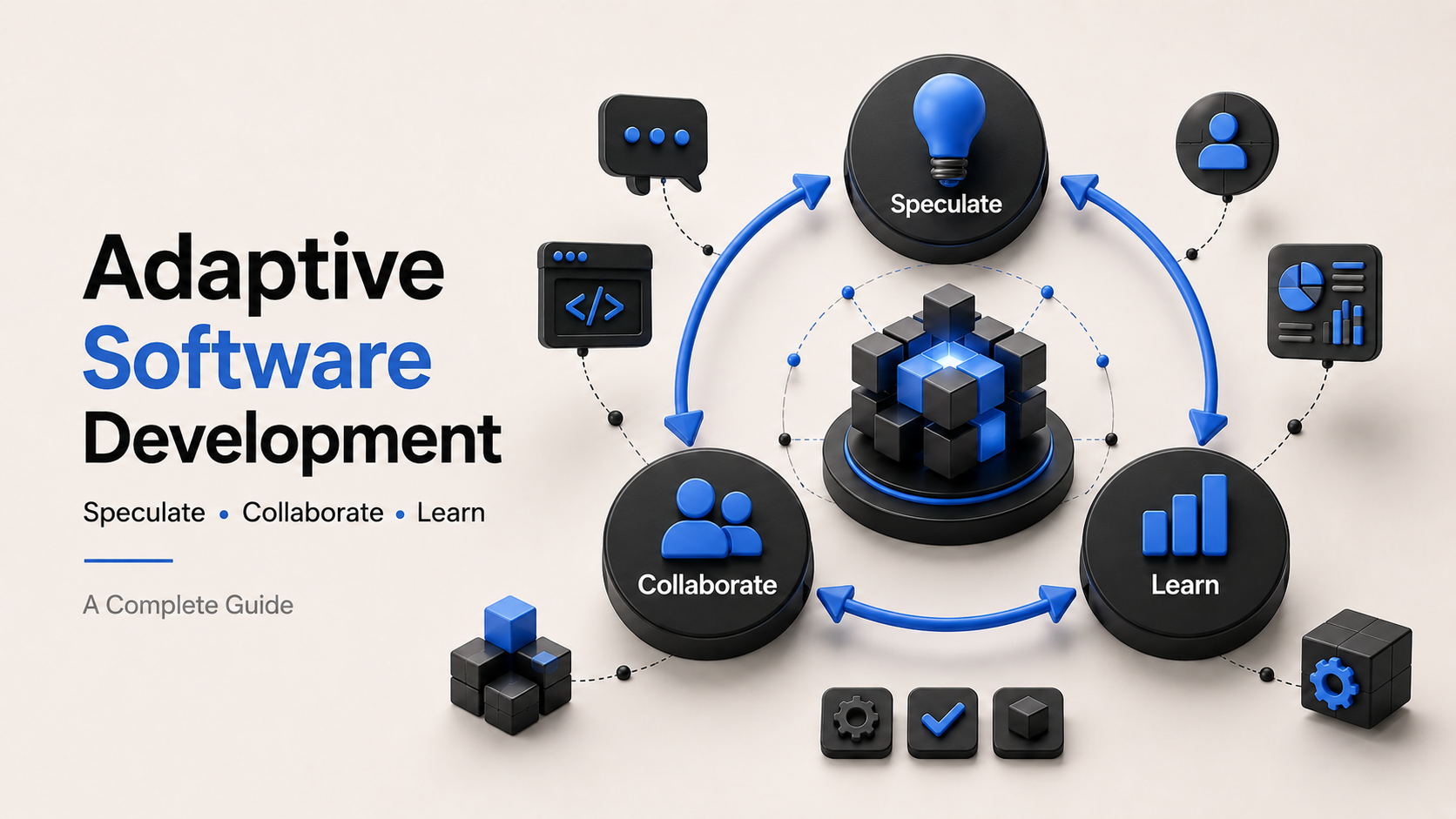
Adaptive Software Development treats changing requirements as normal teams speculate, collaborate, and learn in short cycles instead of locking a fixed plan on day one.

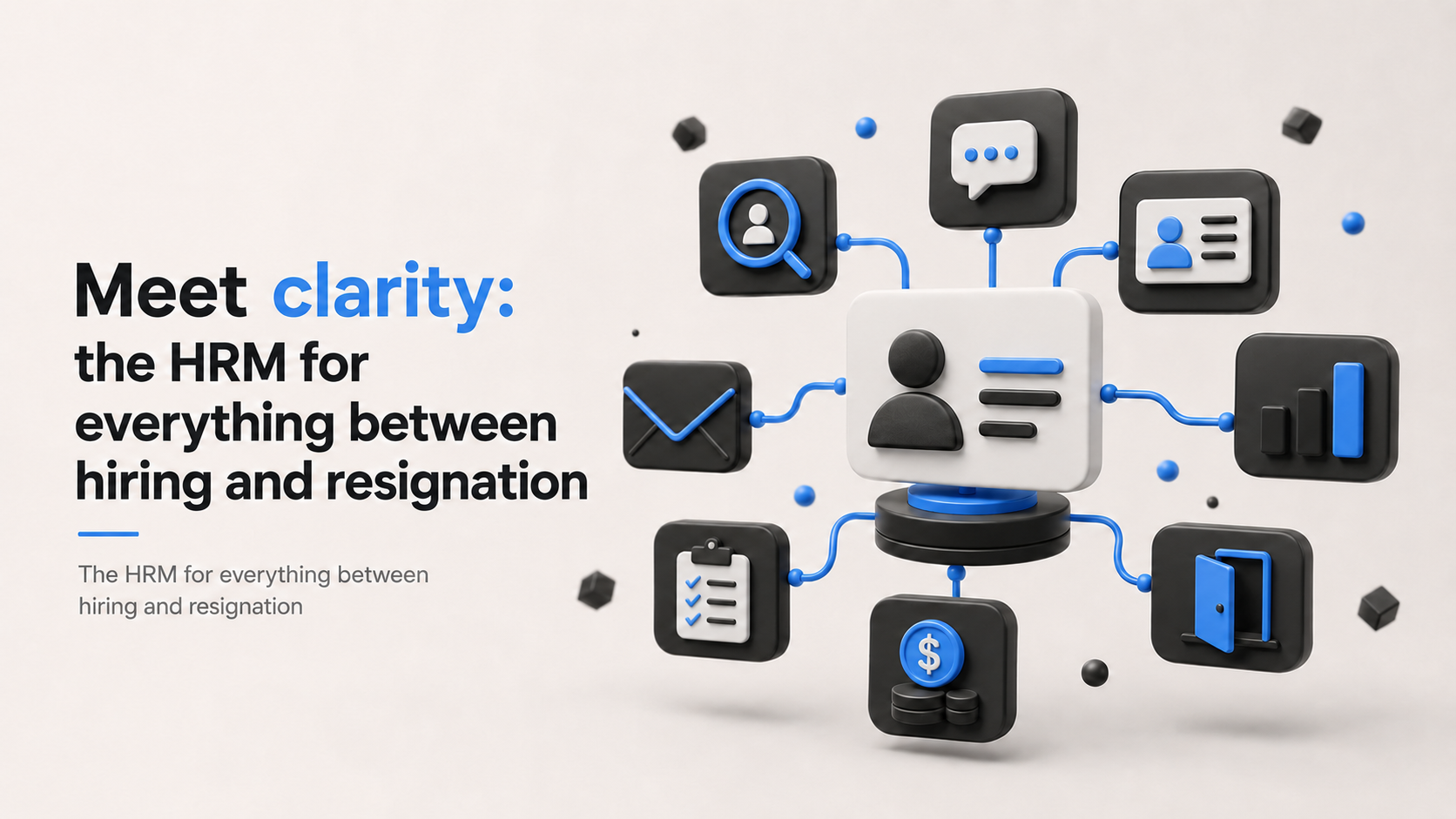
Clarity keeps hiring, onboarding, attendance, leave, payroll, performance, assets, and offboarding on one employee record instead of scattered HR tools.

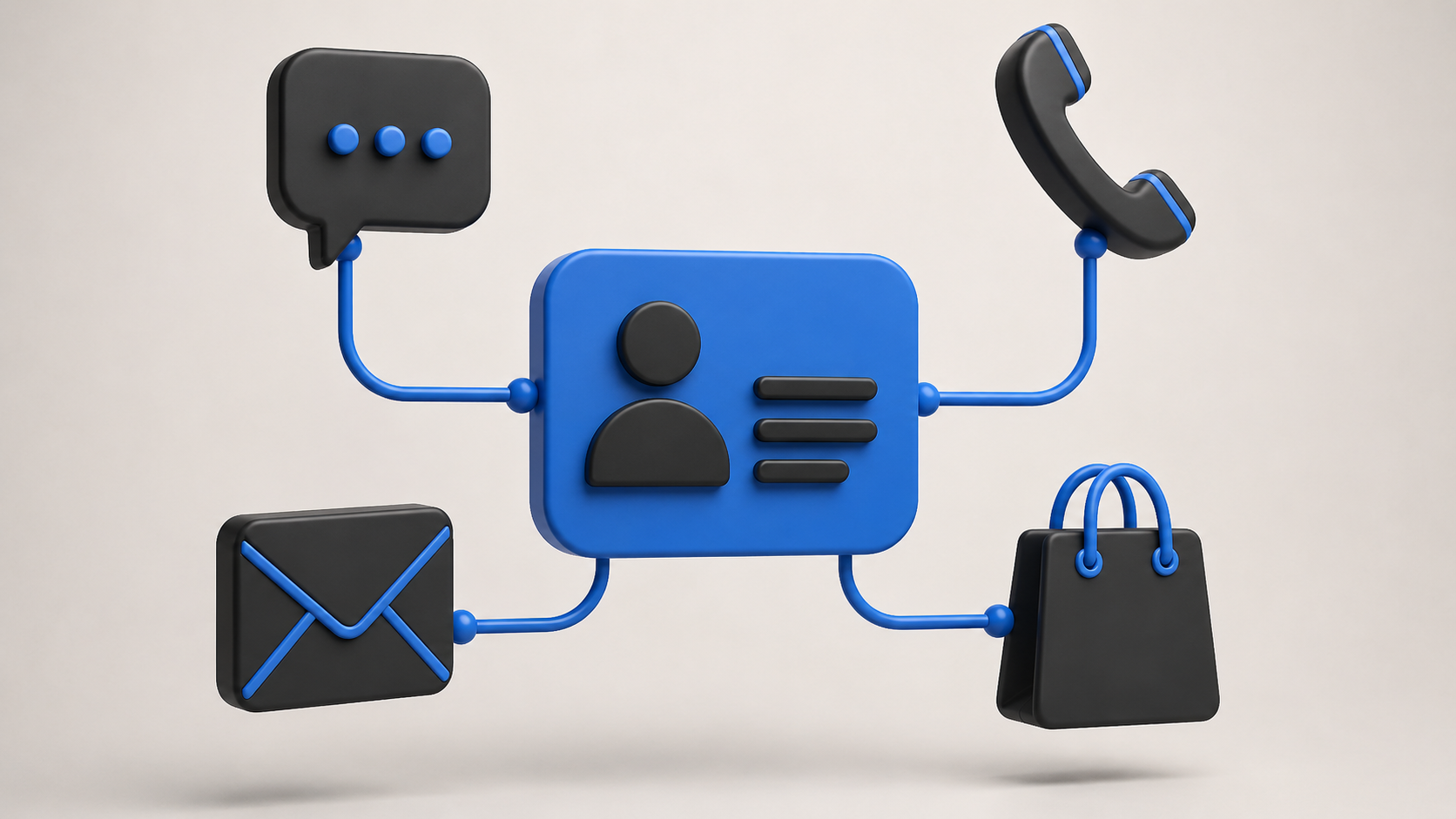
Sales Gorilla keeps phone, email, WhatsApp, and LinkedIn conversations on one customer timeline with built-in calling, AI call analysis, and next-action pipelines.

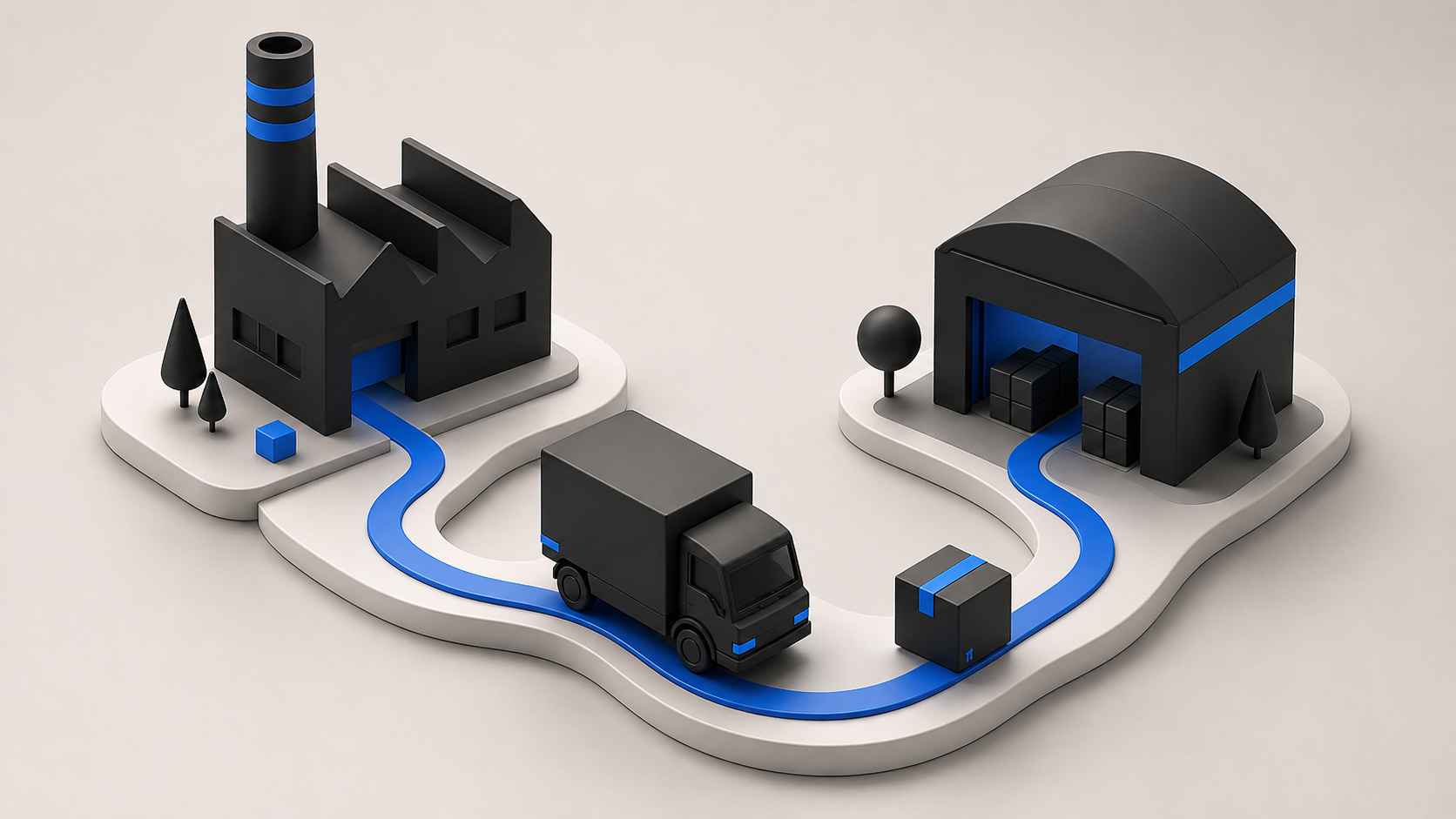
Supply chain management in ERP connects demand, purchasing, inventory, warehouses, production, orders, and logistics so shortages and delays stop living in separate spreadsheets.

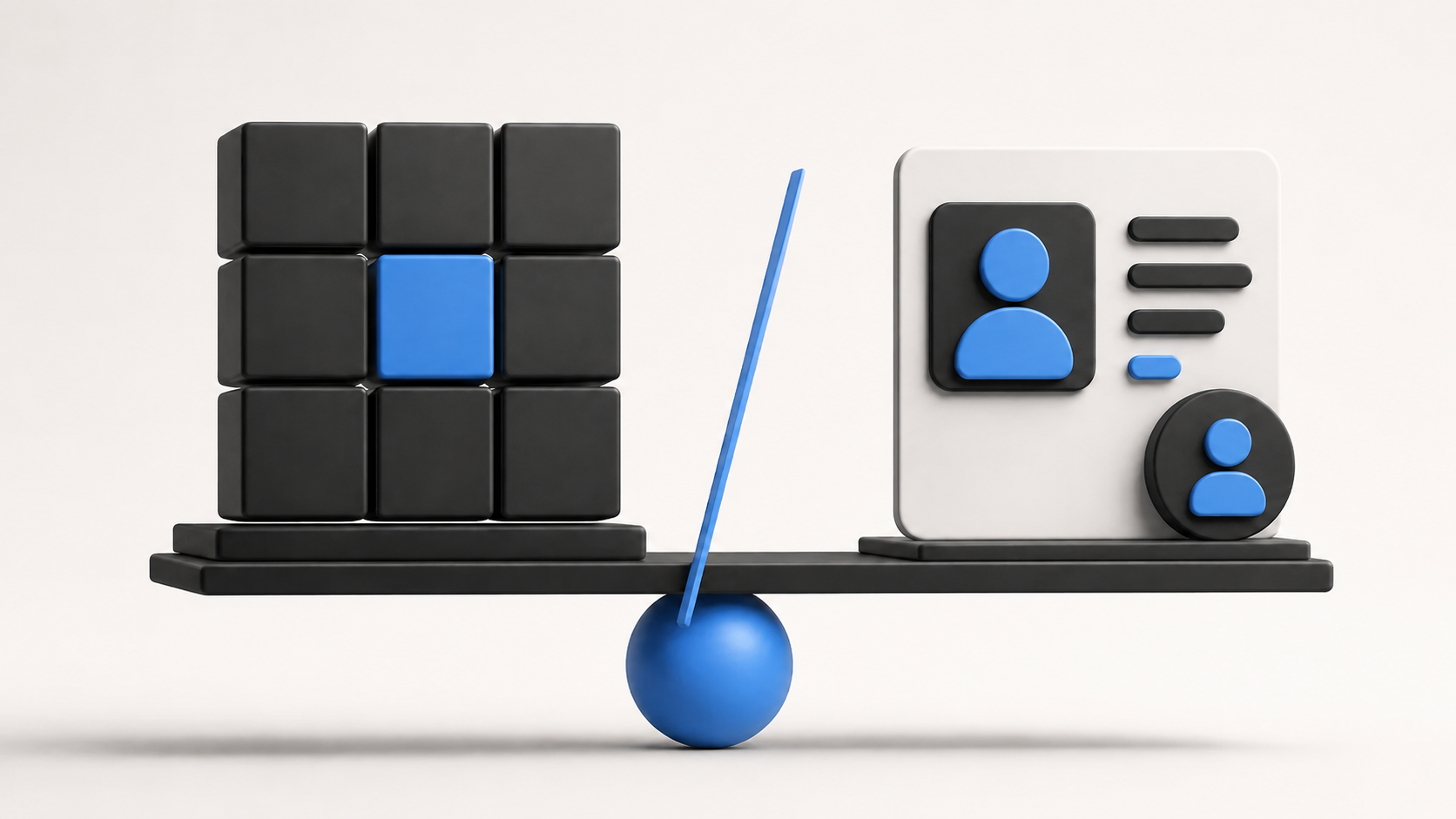
CRM manages customers and sales. ERP manages the operations behind those sales. Here's how they differ, where they overlap, and which one to choose first.

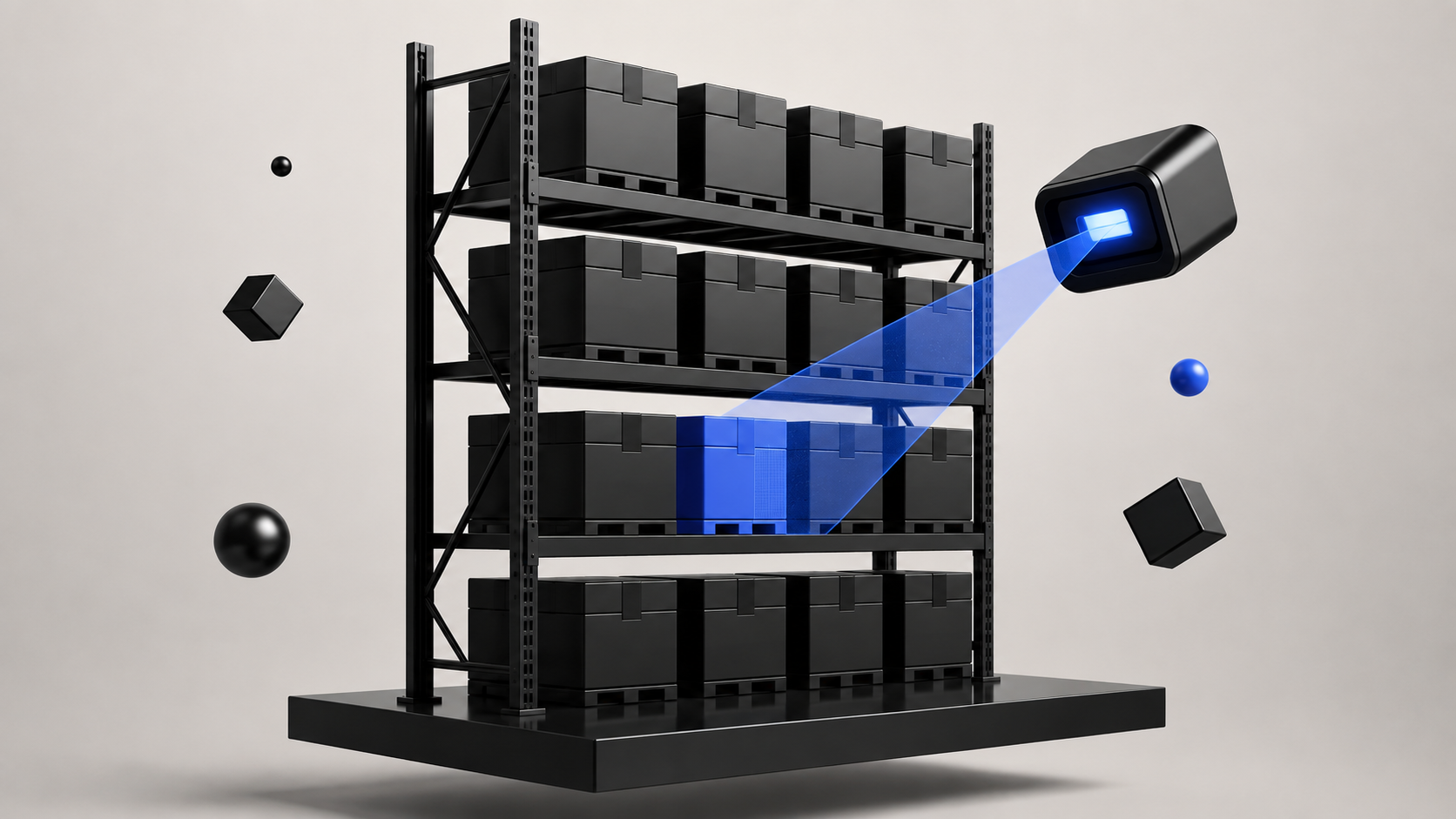
ERP inventory management connects stock with sales, purchasing, warehouses, manufacturing, and finance so available, reserved, and on-hand quantities stay aligned.

An ERP HR module connects employee records, attendance, leave, payroll, and performance with finance and operations instead of keeping HR in separate tools.

U.S. app development in 2026 can range from about $20,000 for a simple build to $80,000–$200,000+ for an MVP and $200,000–$500,000+ for complex products.

An ERP finance module connects accounting with sales, purchasing, inventory, and expenses so invoices, payments, and reports update from real business transactions.

ERP types describe deployment and design cloud, on-premise, hybrid, industry-specific. ERP tiers describe the size and complexity a system is built to support.

ERP connects finance, inventory, purchasing, sales, manufacturing, HR, and projects in one system so departments stop running the business from disconnected software.

U.S. app budgets in 2026 range from about $30,000–$75,000 for prototypes to $80,000–$200,000+ for MVPs and $200,000–$500,000+ for complex products.